Fascia-Focused Recovery: Laser Therapy for Myofascial Performance Optimisation
Date Published
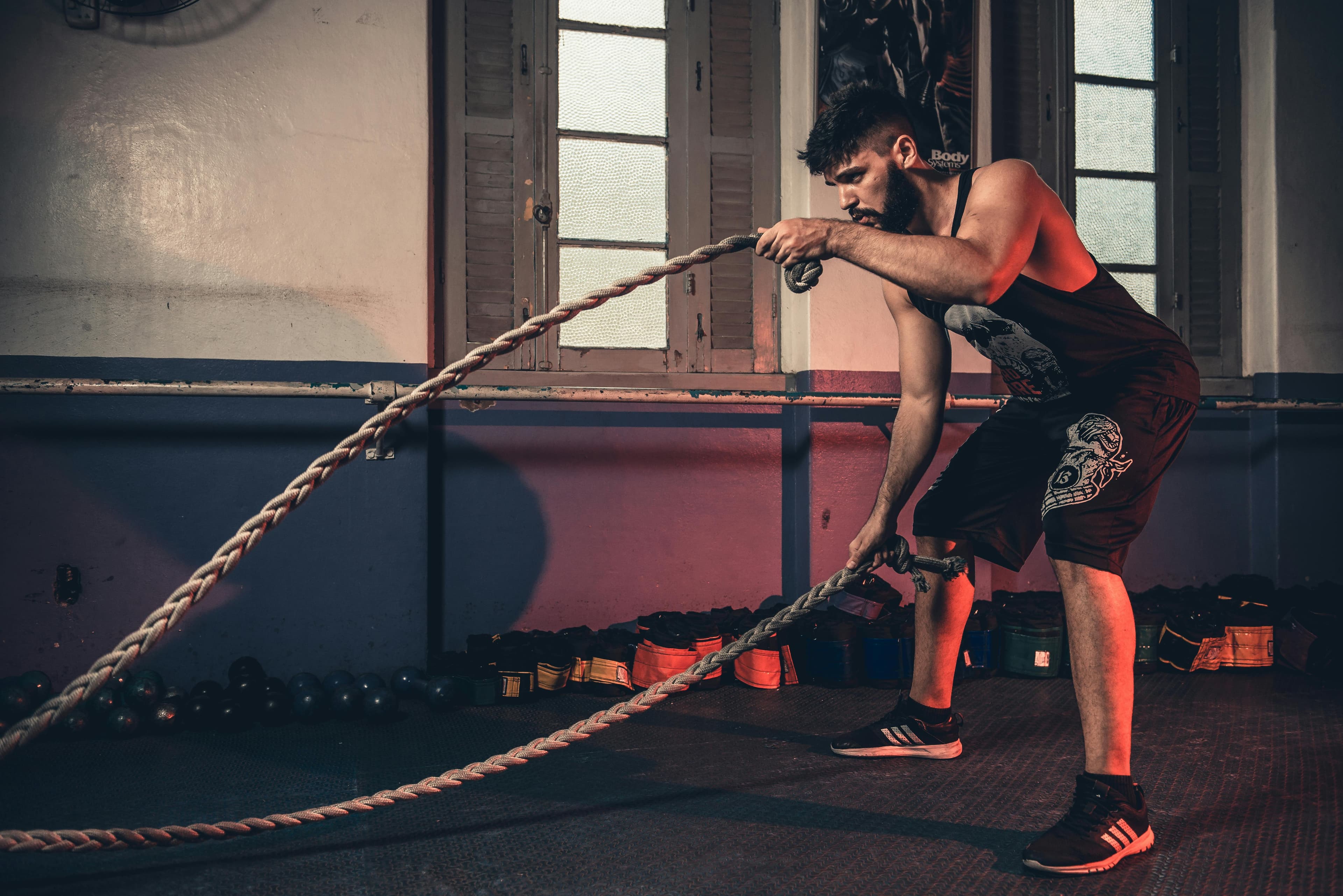
Runners and CrossFit athletes ask a lot of their bodies. Repeated ground contact, heavy lifting, sprint intervals and high-rep movements all place significant stress not just on muscles — but on fascia.
Fascia is the connective tissue network that surrounds and connects muscles, tendons and joints. When it’s healthy, it allows smooth movement, elastic recoil and efficient force transfer. When it becomes dehydrated or restricted, performance can drop and pain can creep in.
That’s why fascia-focused recovery is gaining attention — and why laser therapy is becoming part of the conversation.
Why Fascia Matters for Performance
Think of fascia as a body-wide web. In runners, it helps store and release elastic energy with each stride. In CrossFit athletes, it assists in transferring force through compound lifts and dynamic movements.
Healthy fascia supports:
- Hydration and elasticity
- Smooth glide between tissue layers
- Efficient force transfer
- Reduced strain on joints
When fascia becomes stiff or irritated, you may notice:
- Tight calves or ITB discomfort in runners
- Persistent hip or shoulder tightness in CrossFit
- Reduced range of motion
- Ongoing “niggles” that won’t settle
Over time, poor glide mechanics can increase strain on surrounding tissues and elevate injury risk.
What the Research Suggests
Emerging research into photobiomodulation, published and indexed on PubMed (PMID: 41039333), explores how laser therapy influences connective tissue healing, inflammation modulation and cellular energy production.
The study highlights how targeted light therapy may:
- Support collagen organisation
- Influence inflammatory mediators
- Enhance mitochondrial activity
- Assist tissue recovery processes
You can read the research here:
https://pubmed.ncbi.nlm.nih.gov/41039333/
While more sport-specific trials are always valuable, current evidence suggests laser therapy may positively influence soft tissue function — including fascial structures.
How Laser Therapy May Support Fascial Hydration and Glide
Fascia relies heavily on fluid dynamics. Hydration isn’t just about drinking water — it also involves how well tissue layers slide and interact.
Laser therapy works by delivering specific wavelengths of light that penetrate tissue and stimulate cellular processes. This may help:
- Increase ATP production (cellular energy)
- Modulate inflammation
- Promote microcirculation
- Support tissue repair and remodelling
Improved circulation and cellular function can assist the fascial system in maintaining elasticity and glide mechanics — particularly during heavy training blocks.
Addressing the Scepticism
It’s reasonable to ask: isn’t foam rolling enough?
Foam rolling and mobility drills are excellent tools. Many athletes feel temporary relief from them. But some find the tightness keeps returning.
Laser therapy doesn’t replace mechanical work — it complements it. While rolling influences tissue from the outside, photobiomodulation works at the cellular level. Together, they may offer a more comprehensive recovery strategy.
Practical Application for Runners and CrossFit Athletes
Laser therapy may be used:
- Post-run to support calf and plantar fascia recovery
- After heavy lifting sessions to assist hip and shoulder tissue
- During deload weeks to optimise tissue quality
- At early signs of myofascial tightness
Consistency is key. Short, regular sessions often provide better outcomes than occasional use.
For athletes wanting a convenient at-home option, the Pulsed Low Level Laser Therapy device is designed to support recovery and soft tissue optimisation.
You can learn more here:
https://pulselaserrelief.com.au/products/pulsed-low-level-laser-therapy
Performance Is More Than Muscle Strength
Many runners and CrossFit athletes focus heavily on strength and conditioning — and rightly so. But connective tissue quality plays a critical role in performance longevity.
When fascia is hydrated, mobile and well-supported, movement feels smoother, power transfers more efficiently and pain risk may reduce.
Laser therapy offers a non-invasive, evidence-supported way to complement mobility work, strength training and recovery protocols.
For athletes aiming not just to train hard, but to train consistently and move freely — fascia-focused recovery deserves attention.
References:
Attiyah HS, Moharrum HS, El Dakrory UAERM. Efficacy of photobiomodulation therapy using 980 nm versus 635 nm diode lasers for treatment of myofascial pain : a randomized controlled trial. BMC Oral Health. 2025 Oct 2;25(1):1511. doi: 10.1186/s12903-025-06971-7. PMID: 41039333; PMCID: PMC12490059.