Brain Health & Concussion Recovery: Emerging Research on Photobiomodulation in Contact Sports
Date Published
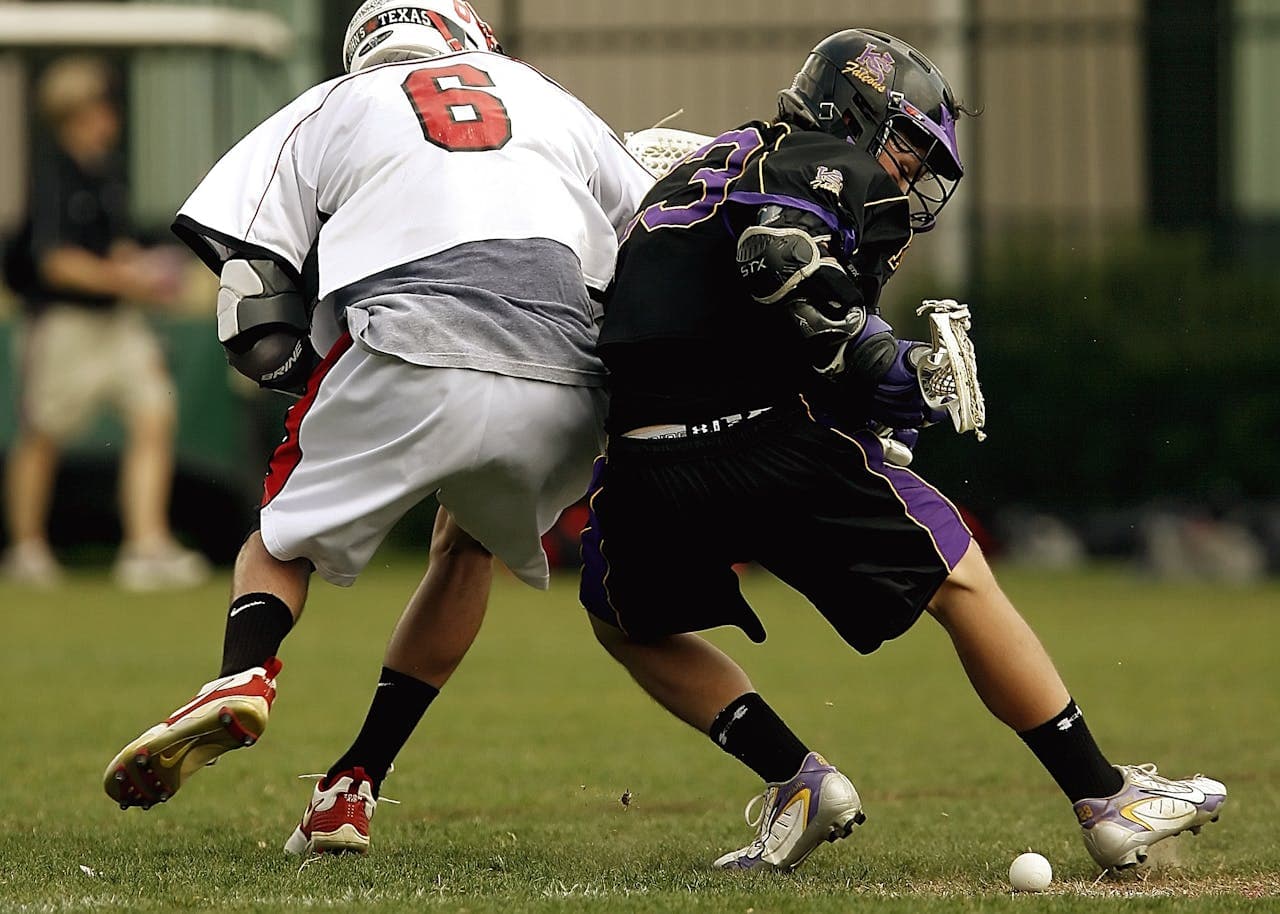
Exploring neuroinflammation, recovery timelines and cognitive resilience
Contact sports demand strength, speed and resilience — but they also carry a risk of concussion. From football and rugby to boxing and martial arts, repeated head impacts can trigger complex neurological changes. While traditional concussion management focuses on rest and graded return-to-play protocols, emerging research is now investigating whether photobiomodulation (PBM) may support brain recovery at a cellular level.
For athletes, parents and clinicians alike, the key question is: can we do more to support brain healing safely and effectively?
What Happens in the Brain After Concussion?
A concussion is not simply a “bump on the head”. It involves a cascade of biochemical events inside the brain, including:
- Neuroinflammation
- Reduced cellular energy production
- Disruption of neural signalling
- Oxidative stress
After impact, brain cells experience a surge in metabolic demand while blood flow may temporarily decrease. This mismatch can slow recovery and contribute to symptoms such as headaches, fatigue, brain fog, irritability and memory issues.
Emerging research is exploring how targeted light therapy may influence these biological processes. A recent publication indexed on PubMed discusses early findings into photobiomodulation and brain health, including its potential impact on inflammation and neurological recovery pathways. You can review the research here:
https://pubmed.ncbi.nlm.nih.gov/40485299/
What Is Photobiomodulation?
Photobiomodulation (PBM), also known as Low-Level Laser Therapy (LLLT), uses specific wavelengths of red and near-infrared light to stimulate cellular function. Unlike surgical lasers, PBM does not heat or damage tissue. Instead, it works at the mitochondrial level — the energy centre of the cell.
When light photons are absorbed by mitochondria, they may:
- Increase ATP production (cellular energy)
- Modulate inflammatory markers
- Support blood flow
- Reduce oxidative stress
Because concussion involves metabolic disruption and inflammation, PBM is being investigated as a supportive therapy to help restore cellular balance.
PBM and Neuroinflammation
Neuroinflammation is a protective response — but prolonged inflammation can slow neurological recovery. Early research suggests that PBM may help regulate inflammatory pathways in neural tissue.
Some studies indicate that red and near-infrared light can influence cytokine activity and microglial behaviour, both of which play roles in post-concussion inflammation. By encouraging a more balanced inflammatory response, PBM may contribute to a healthier recovery environment in the brain.
It’s important to note that research is still developing, and PBM should complement — not replace — medical assessment and concussion protocols.
Recovery Timelines and Cellular Energy
Many athletes feel frustrated when symptoms persist longer than expected. You may feel ready to return, but your brain may still be metabolically stressed.
This is where PBM research becomes particularly interesting.
After concussion, mitochondria can struggle to produce adequate ATP. Since neurons require large amounts of energy, even subtle deficits can affect concentration, reaction time and cognitive stamina.
Photobiomodulation aims to support mitochondrial function. By improving cellular energy availability, PBM may help shorten recovery timelines in some cases — though more high-quality clinical trials are needed to determine optimal protocols.
Supporting Cognitive Resilience
Cognitive resilience refers to the brain’s ability to adapt and recover after stress or injury. In contact sports, this is critical for long-term neurological wellbeing.
Early investigations suggest PBM may:
- Support synaptic function
- Encourage neuroprotective pathways
- Improve cerebral blood flow
While the science is still emerging, the biological rationale is compelling. Rather than simply managing symptoms, PBM targets underlying cellular mechanisms involved in recovery.
Integrating PBM into a Recovery Plan
Athletes often feel hesitant when trying new recovery tools. That’s understandable. The priority is always safety and evidence-based care.
PBM is non-invasive and drug-free, making it an appealing adjunct therapy when guided appropriately. It should always be used alongside:
- Medical diagnosis and monitoring
- Graduated return-to-play protocols
- Cognitive rest and sleep optimisation
- Nutritional and hydration support
For those exploring clinical-grade devices, Pulsed Low-Level Laser Therapy device are designed to deliver controlled wavelengths appropriate for therapeutic use.
Pulsed delivery may offer advantages in tissue penetration and cellular response compared to continuous-wave systems, though research continues to refine best practice approaches.
Where the Research Is Heading
The field of brain photobiomodulation is advancing rapidly. While large-scale clinical trials are still needed, early findings point toward potential benefits in:
- Reducing neuroinflammation
- Supporting mitochondrial recovery
- Enhancing neurological resilience
The PubMed research referenced above provides insight into how PBM may influence post-concussion biological processes and sets the foundation for future clinical exploration:
https://pubmed.ncbi.nlm.nih.gov/40485299/
As awareness grows around long-term brain health in contact sports, recovery strategies are evolving beyond rest alone. Supporting the brain at a cellular level may become an increasingly important part of modern concussion management — always under appropriate medical guidance.
Supporting Smarter Brain Recovery in Contact Sports
Concussion care in contact sports has traditionally focused on rest and graded return-to-play protocols, yet emerging research suggests recovery is influenced not just by time but by underlying biology, including neuroinflammation, oxidative stress and reduced mitochondrial energy production. Early findings indicate that photobiomodulation may help regulate inflammatory pathways and support cellular ATP production within neural tissue, offering a biologically plausible adjunct to conventional management. While larger clinical trials are still needed, the safety profile and mechanistic rationale continue to attract clinical interest. When integrated alongside appropriate medical supervision and structured recovery planning, Pulsed Low-Level Laser Therapy may provide additional support for athletes prioritising long-term cognitive resilience and overall brain health.
References:
Lee TL, Chan DY, Chan DT, Cheung MC, Shum DH, Chan AS. Transcranial Photobiomodulation Improves Cognitive Function, Post-Concussion, and PTSD Symptoms in Mild Traumatic Brain Injury. J Neurotrauma. 2025 Oct;42(19-20):1695-1707. doi: 10.1089/neu.2025.0048. Epub 2025 Jun 9. PMID: 40485299.